
tobook · Hospitality and booking
Case study
18 months of building, hosting and running an education platform
We build, host and run an education platform that serves millions of requests a quarter to UK primary schools, with no infrastructure downtime in 18 months.
- Client
- Industry
- Education technology
- Relationship
- 18 months, continuing
- Delivered through
- Hatcha, our UK sister company
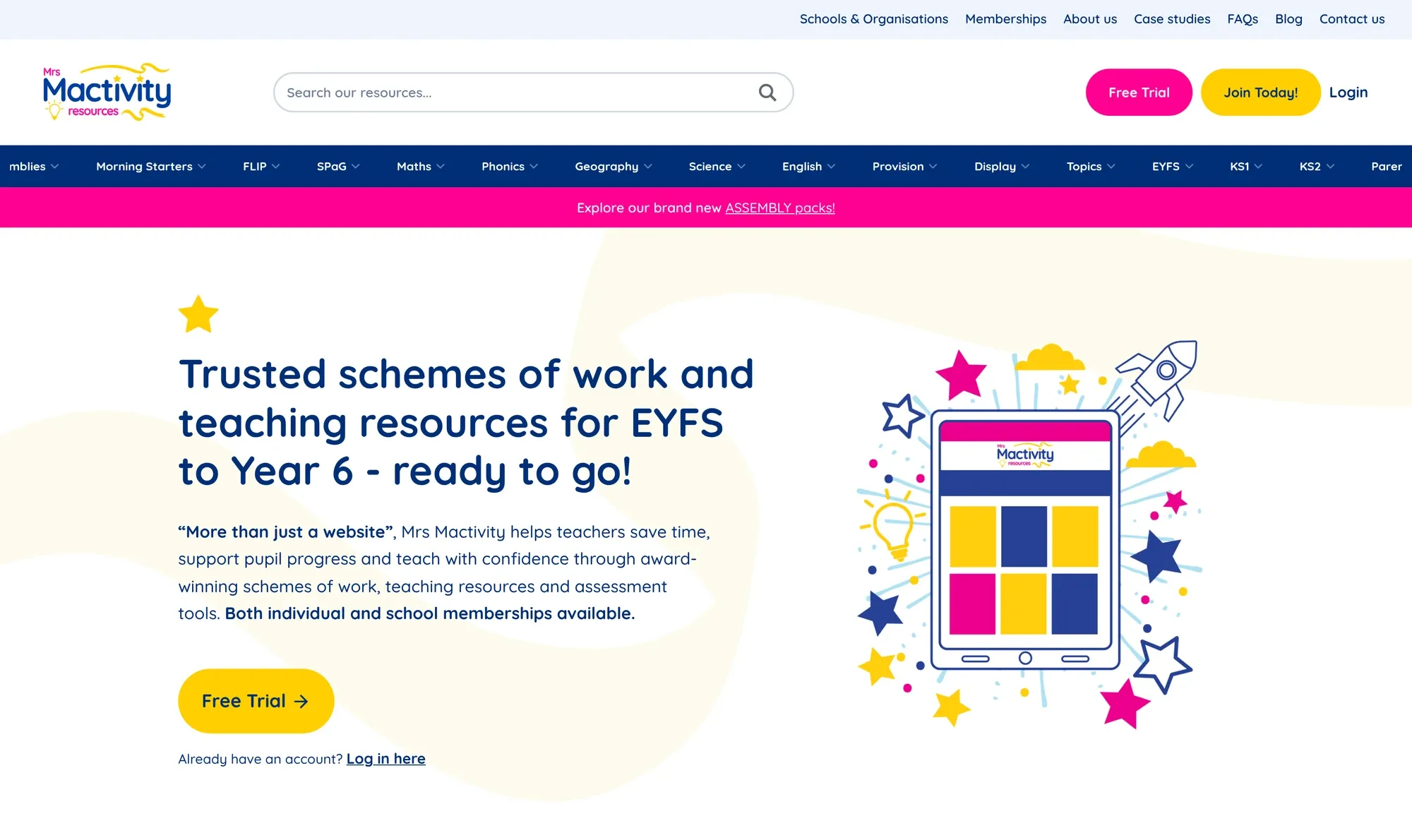
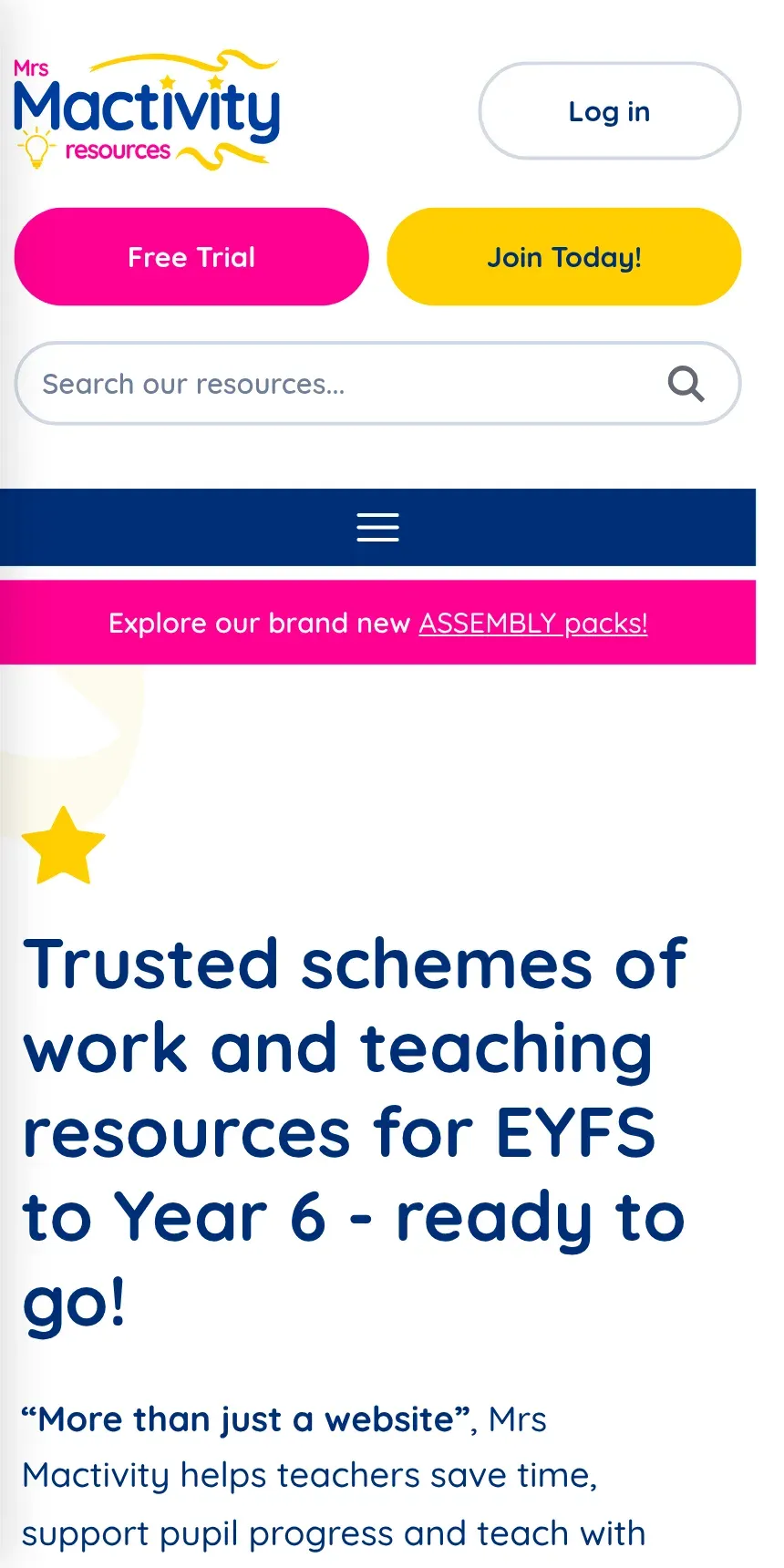
mrsmactivity.co.uk · last 90 days
21.6M
requests served
Results
The results
18 months
with no infrastructure downtime
Through two September starts and every school-term rush since.
Daily
backups, and monitoring around the clock
We usually know about a problem before anyone has to tell us.
Every change
seen and approved by the client before it goes live
They try the real change on a test site, with no pull request to read.
The story
The story
Services
Delivered by our team through Hatcha, PanamaGulf's UK sister company.
The challenge
Mrs Mactivity sells teaching resources to UK primary schools and to teachers buying for their own classrooms. Tens of thousands of them download from the platform, and the team running it is made up of educators.
The platform is always growing, with a steady stream of new resources and improvements to ship. Mrs Mactivity needed a partner to build those quickly and keep the site fast and online while teachers are using it. They also wanted someone who could explain what was happening without jargon.
What we did
For the past 18 months we have looked after the platform end to end: building new features, hosting it, backing it up every day and monitoring it around the clock. There has been no infrastructure downtime in that time.
Finding the right resource
Teachers search for what they’re teaching next. We replaced the site’s search plugin with Elasticsearch, a dedicated search engine. Teachers find what they need quicker, and the results are more accurate.
We then tuned the ranking to how teachers use the site. Relevance comes first. Where results are close, the resources members download most rise to the top, and newer resources get a lift so new material is seen. Type a subject such as math and its filter is applied automatically. For the searches that matter most, the team can pin a chosen resource in place.
Every search is logged with the number of results it returned. Gaps in the library show up as a list of searches that came back empty, which tells the team what to make next.
Seeing a change before it goes live
Every request is built on a test site first. Mrs Mactivity opens it, clicks around the change and says yes or no. They don’t need screenshots, release notes or a pull request to know what they’re approving.
Once they’re happy, one of our engineers reviews the change and it goes to the live platform. Nothing reaches teachers that the client hasn’t seen working and an engineer hasn’t checked.
Requests now turn into live features much faster than they used to, mostly because there’s less back and forth about whether the thing being built is the thing that was wanted.
How we work with Mrs Mactivity
There’s a named engineer on the account. Requests go into a shared channel and get an answer the same day. Every month we send a short written summary of what changed, what we watched and anything we think is worth doing next, written so it can be forwarded to someone who doesn’t work in software.
There’s no minimum term, and no charge for the conversation when they want to think something through.
How it went
Eighteen months, in order
This is an ongoing retainer. These are the main pieces of work over 18 months, in order.
We took the platform on as it was
We documented what was running, took over the hosting and set up backups and monitoring first. There was no rebuild and no charge for learning the platform.
We made releasing a change routine
Every request is built on a test site, checked by the client on the real thing, reviewed by one of our engineers and shipped. Most of the old delay was in working out whether the right thing was being built.
We built the platform for term time
Traffic isn't evenly spread. A resource shared in a staff room brings a crowd in minutes, and September brings a month of them. The hosting is sized and cached for those spikes.
We improved search
We moved search onto Elasticsearch and tuned the ranking to how teachers use the site, with relevance first and then what members download most. Searches that come back empty are logged, so gaps in the library show up.
We gave the team its own numbers
Downloads, revenue, subscription health, which content is used and where the gaps are, all on dashboards the team opens themselves with date ranges they control. They don't wait on us for a figure.
Ongoing support
Eighteen months in, the arrangement is a named engineer, a shared channel, a written summary every month and no minimum term.
Technology
What keeps it online in September
Four tiers, all defined in code.
Edge
Pages and downloads travel separately
The site and the resource library are served over a global delivery network on two separate paths, so a class of thirty downloading a lesson pack can't slow down someone browsing. A managed firewall sits in front of both, with AWS bot protection and our own rules that rate-limit form submissions and stop contact form spam before it reaches the site.
- Global delivery network
- Managed web firewall
- Bot protection
- Downloads on their own path
Compute
Sized for the spike, reviewed every month
The application runs on compute chosen for performance for the cost. A page cache serves repeat pages without touching the application, and the search engine runs alongside it on the same server. Capacity is reviewed monthly against real usage.
- Page cache
- Right-sized monthly
- Separate staging environment
Data and files
Thousands of resources, backed up automatically
The resource library sits on shared storage with automatic daily backups and two weeks of recovery points. A full copy of the site is also taken every night and stored separately. Restoring a file is a routine request.
- Automatic daily backups
- Nightly full-site copy
- Two weeks of recovery points
- Every change logged
Release and reporting
Approve it on a test site, then it ships
Infrastructure and deployments both live in code, with production and staging released through the same pipeline. On top of that sit the client's own dashboards, so the commercial picture and the technical one come from the same platform.
- Infrastructure in code
- Approve-on-a-test-site releases
- Self-service dashboards
Scale
What the platform carries
These figures cover the most recent quarter of classroom traffic.
- requests served in 90 days
- 21.6M
- of teaching resources delivered
- 984 GB
- of requests served without a server error
- 99.98%
Measured across mrsmactivity.co.uk and its global delivery network over the 90 days to September 23, 2026.
More work
Other case studies
River Global PLC · Financial services
Separating a listed company's website from the business that was sold
Read the case studySupersonic Phonic Friends · Education
Rebuilding a phonics platform in time for the new school year
Read the case studyCompound Equity Group · Financial services
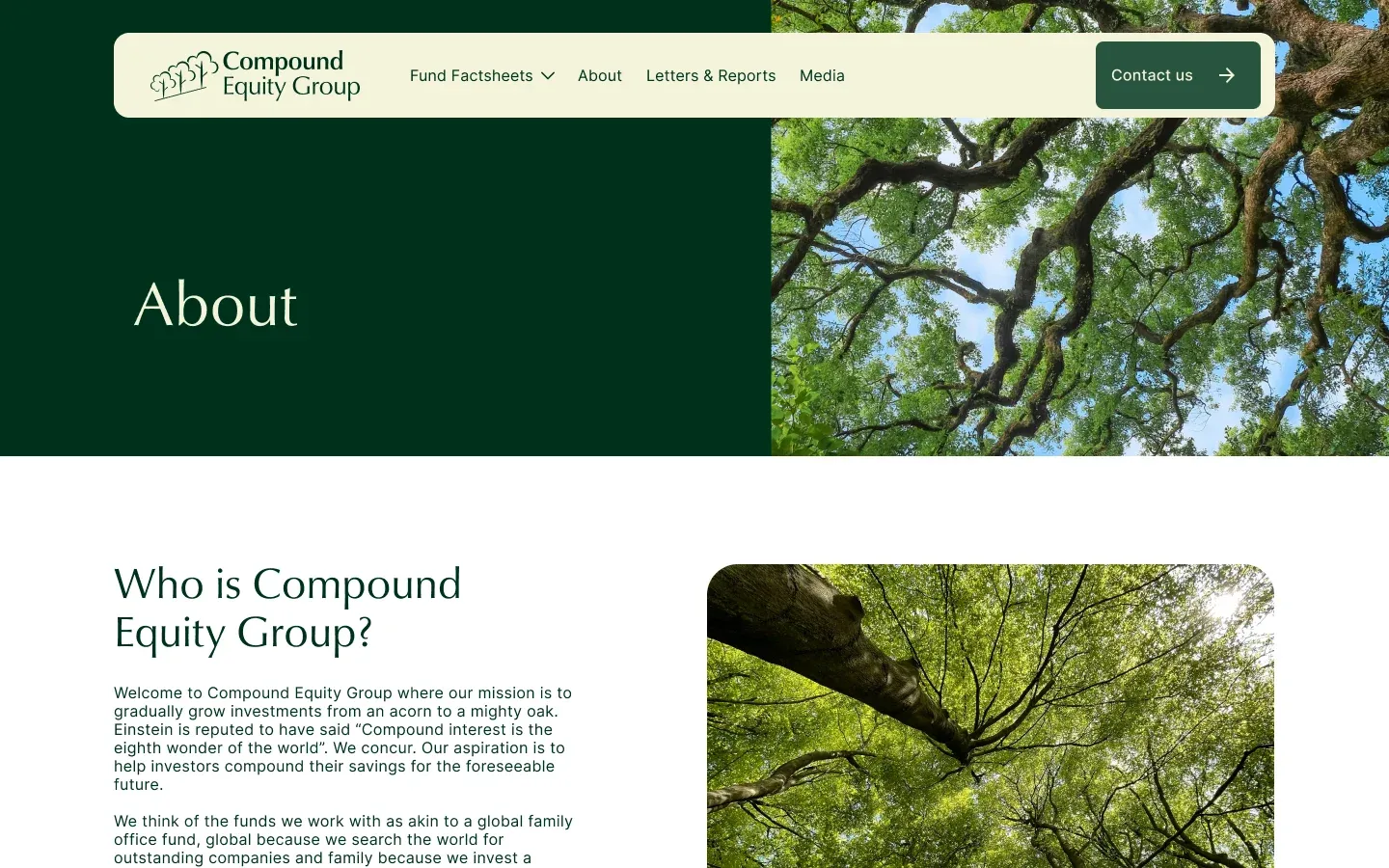
A brand and website design for a new investment group
Read the case study



Have a project in mind?
Tell us what you're planning and we'll reply within one business day. You can book a free 30-minute call with Louie as soon as you've sent it, and we'll follow up with a written estimate.